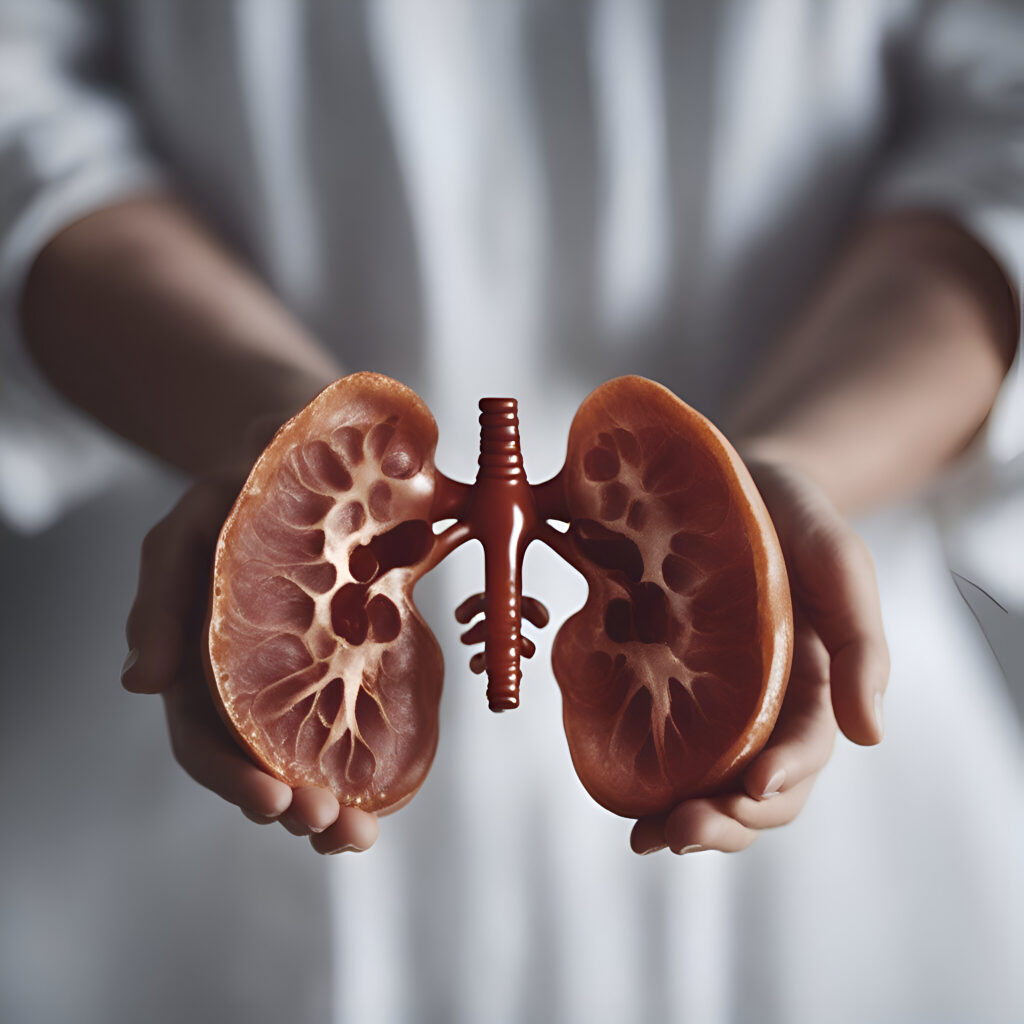
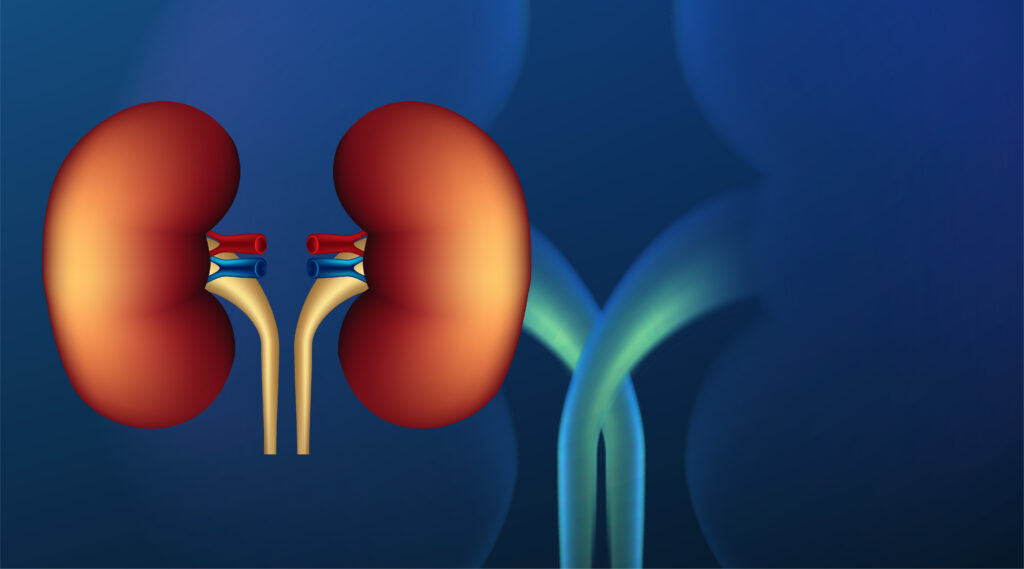
Kidney disease, also known as chronic kidney disease (CKD), involves a gradual loss of kidney function over time. Kidneys filter waste and excess fluid from your blood, maintain electrolyte balance, and regulate blood pressure. When kidney disease progresses, it can lead to kidney failure, which requires dialysis or a kidney transplant.
Causes and Risk Factors
Several factors can contribute to the development of kidney disease, with diabetes being the leading cause. High blood sugar levels over time can damage the kidneys’ filtering units, leading to chronic kidney issues. High blood pressure(hypertension) is another major contributing factor, as it can cause strain and damage to the blood vessels in the kidneys. A family history of kidney disease can also increase the risk due to genetic predisposition. Obesity and poor diet are significant lifestyle factors that negatively impact kidney health, often leading to or worsening conditions like diabetes and hypertension. The risk of kidney disease also increases with age, as kidney function tends to decline over time. Additionally, other diseases such as lupus, autoimmune disorders, and the prolonged use of certain medications can contribute to kidney damage, highlighting the importance of regular medical check-ups and preventive care.
Symptoms
Kidney disease symptoms may not appear until significant damage has occurred, which is why it’s often called a “silent disease.” Symptoms include:
Swelling of feet and ankles, Fatigue and weakness, Urination changes (frequency, color), Loss of appetite and nausea, Persistent itching, Shortness of breath.
Diagnosis and Screening
Early detection of kidney disease is crucial for effective treatment and prevention of further damage. To assess kidney health, doctors typically recommend a combination of tests.Blood tests are used to measure kidney function by evaluating levels of waste products such as creatinine and estimating the glomerular filtration rate (GFR). Urine tests check for the presence of protein, which can be an early sign of kidney damage. In some cases, imaging tests such as ultrasound, MRI, or CT scans are performed to provide a detailed view of the kidneys’ structure and detect abnormalities. These diagnostic tools help identify problems early, allowing for timely intervention and better long-term outcomes.
Prevention and Management
Prevention and early management of kidney disease can significantly reduce the risk of its progression and associated complications. Adopting a healthy lifestyle is fundamental, including maintaining a balanced diet, engaging in regular exercise, and keeping body weight under control. It is also essential to manage underlying conditions such as diabetes and hypertension, as effective control of these diseases can help protect kidney function. Additionally, individuals should work to avoid harmful habits, such as excessive alcohol consumption, smoking, and the overuse of nonsteroidal anti-inflammatory drugs (NSAIDs), all of which can negatively impact kidney health. Taking these proactive steps can greatly improve long-term outcomes.
Dialysis: Life-Saving Treatment
When kidneys fail, dialysis becomes essential. Dialysis artificially removes waste, toxins, and excess fluid from the blood.
Types of Dialysis
Dialysis is a treatment used to perform the function of the kidneys when they are no longer able to work effectively. There are two main types of dialysis. Hemodialysis involves filtering the blood through a machine outside the body to remove waste, excess fluids, and toxins. In contrast, peritoneal dialysis cleans the blood inside the body by using the lining of the abdomen, known as the peritoneum, as a natural filter. Both methods aim to maintain proper chemical balance and remove waste products when kidney function is severely impaired.
Living with Dialysis
While dialysis sustains life for individuals with kidney failure, it comes with several necessary adjustments. Patients must commit to regular, scheduledtreatments, often multiple times a week, which can affect daily routines and personal freedom. Alongside this, dietary restrictions are crucial to help control fluid balance and levels of certain minerals like potassium and phosphorus. Additionally, ongoing medical support is essential to monitor the patient’s overall health, manage complications, and adjust treatment as needed. These combined efforts are vital to maintaining quality of life and ensuring the effectiveness of dialysis.