Hypertension, commonly known as high blood pressure, is a chronic condition characterized by consistently elevated blood pressure levels. It puts increased strain on the heart and arteries, potentially leading to severe health complications such as heart disease, stroke, and kidney disease.
Causes and Risk Factors
Several factors contribute to the risk of developing high blood pressure, many of which are related to genetics and lifestyle. Geneticsplay a key role, as individuals with a family history of high blood pressure are more likely to develop the condition themselves. An unhealthy diet, particularly one high in salt and excessive fat, can raise blood pressure levels over time. Physical inactivityis another contributing factor, as a lack of regular exercise can lead to weight gain and reduced cardiovascular health. Obesity further elevates the risk, as excess weight puts additional strain on the heart and blood vessels. Ageis also a factor, with the risk increasing as a person gets older. Certain lifestyle habits, such as excessive alcohol consumption and tobacco smoking, can significantly raise blood pressure. Additionally, chronic stresshas been shown to negatively impact blood pressure, making stress management an important part of prevention and control.
Symptoms
Hypertension is often referred to as the “silent killer” because it typically presents no noticeable symptoms, allowing it to progress undetected for years. However, in severe cases, some individuals may experience warning signs. These can include headaches, shortness of breath, dizziness, chest pain, and visual changes. While these symptoms are not always present, their occurrence may indicate dangerously high blood pressure and should prompt immediate medical attention.
Diagnosis and Screening
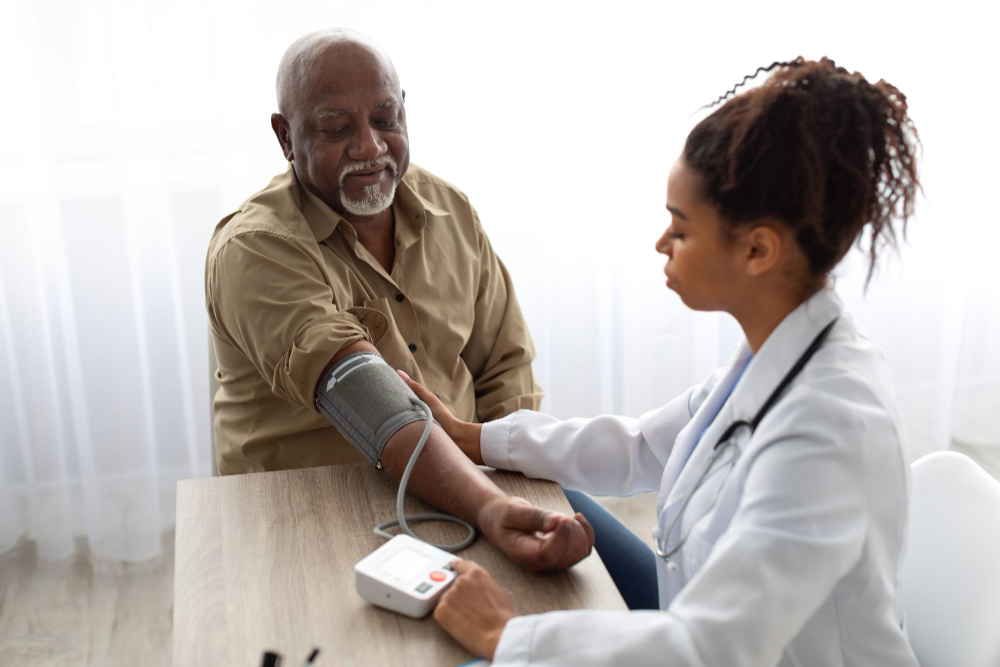
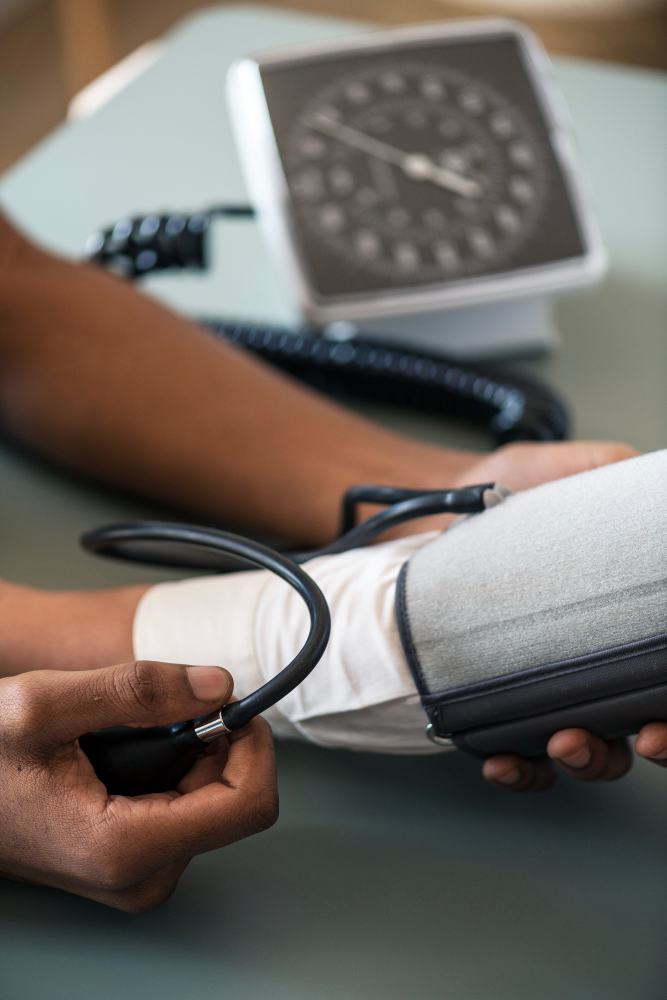
Regular blood pressure checks are essential for diagnosing hypertension, especially since the condition often has no visible symptoms. The most common method is a standard blood pressure measurementtaken during a routine medical visit. For more comprehensive monitoring, ambulatory blood pressure monitoring may be used, which tracks blood pressure over a 24-hour period while the individual goes about their daily activities. Additionally, home blood pressure monitoring allows individuals to keep track of their readings regularly, providing valuable data for early detection and ongoing management.
Prevention and Management
Regular blood pressure checks are essential for diagnosing hypertension, particularly because the condition often presents no visible symptoms. The most common method of detection is a standard blood pressure measurement taken during a routine medical visit. For a more in-depth assessment, ambulatory blood pressuremonitoring may be used; this method tracks blood pressure over a 24-hour period while the individual continues with normal daily activities. In addition, home blood pressure monitoring enables individuals to check their readings consistently, offering valuable data that supports early detection, better management, and more informed healthcare decisions.
Complications of Unmanaged Hypertension
If left untreated, hypertension can lead to serious and potentially life-threatening complications. It significantly increases the risk of heart attack and heart failure by placing extra strain on the heart and blood vessels.Stroke is another major concern, as high blood pressure can damage or block arteries leading to the brain. Over time, hypertension can also cause kidney damageand contribute to the development of chronic kidney disease, affecting the body’s ability to filter waste. Additionally, it may lead to vision loss by damaging the blood vessels in the eyes. Managing blood pressure is therefore crucial to preventing these severe health outcomes.