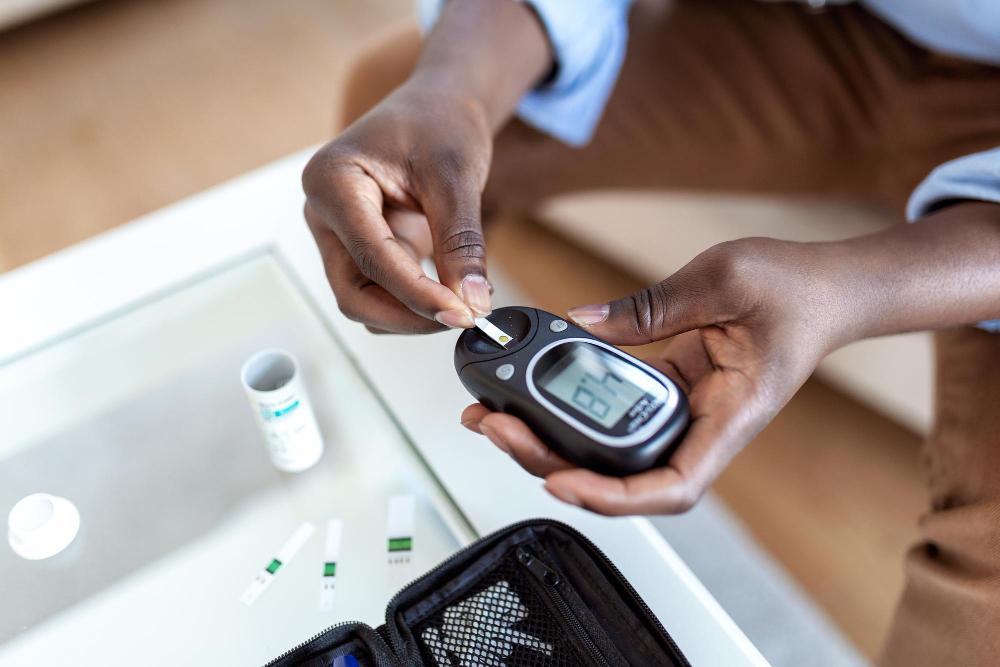
Diabetes is a chronic health condition characterized by elevated levels of glucose (blood sugar) due to the body’s inability to produce or effectively use insulin. Persistent high blood sugar can lead to severe health complications affecting the heart, kidneys, eyes, nerves, and more.
Types of Diabetes
Diabetes is a chronic condition that affects how the body processes blood sugar. There are several types, each with distinct causes and characteristics.
Type 1 Diabetes occurs when the body’s immune system mistakenly attacks and destroys the insulin-producing cells in the pancreas.
Type 2 Diabetes develops when the body becomes resistant to insulin or does not produce enough to maintain normal glucose levels.
Gestational Diabetesarises during pregnancy and can affect both the mother and the developing baby, often requiring careful management to ensure a healthy outcome.
Causes and Risk Factors
Several factors can increase an individual’s risk of developing diabetes. Family history plays a significant role, as a genetic predisposition can greatly impact the likelihood of developing the disease. Obesity and poor diet are major risk factors, especially for Type 2 diabetes, as excess body weight and unhealthy eating habits can impair the body’s ability to manage blood sugar. Physical inactivity also contributes to the risk, as a sedentary lifestyle can lead to weight gain and decreased insulin sensitivity. Age is another important factor, with the risk of diabetes increasing notably after the age of 45. Additionally, ethnicity can influence susceptibility, as certain ethnic groups are more genetically prone to developing diabetes than others.
Symptoms
Symptoms of diabetes can vary from person to person, but several common signs often indicate the condition. These include increased thirst and frequent urination, which occur as the body attempts to eliminate excess sugar through the urine. Individuals may also experience unexplained weight loss despite normal or increased food intake. Extreme fatigue is another common symptom, as the body struggles to convert sugar into energy. Blurred vision may result from fluctuating blood sugar levels affecting the eyes. Additionally, people with diabetes may notice frequent infections or slow-healingsores, as high blood sugar can impair the immune system. Tingling or numbness in the hands or feet, a sign of nerve damage, may also occur in more advanced stages.
Diagnosis and Screening
Early diagnosis of diabetes through routine screening is essential for effective management and prevention of complications. Several tests are commonly used to detect the condition. A fasting blood sugar test measures blood glucose levels after an overnight fast, helping to identify abnormal sugar levels. The oral glucose tolerance test evaluates the body’s response to sugar by measuring blood glucose before and after consuming a sugary drink. TheA1C blood testprovides an average blood sugar level over the past two to three months, offering a broader view of long-term glucose control. These tests play a crucial role in identifying diabetes early, even before symptoms appear.
Prevention and Management
Effective management and prevention of diabetes involve a combination of healthy lifestyle choices and medical care. A balanced diet is essential, with a focus on whole grains, vegetables, lean proteins, and healthy fats to help regulate blood sugar levels. Regular exercise, such as engaging in at least 150 minutes of moderate physical activity per week, improves insulin sensitivity and overall health. Weight managementis also critical, as maintaining a healthy body weight can significantly reduce the risk of developing Type 2 diabetes. Routine monitoring of blood sugar levels helps track progress and allows for timely adjustments to treatment plans. Additionally, medication adherence, including taking insulin or other prescribed diabetes medications as directed by a healthcare provider, is vital for keeping the condition under control and preventing complications.